DC motors have become a quiet workhorse behind modern smart-home automation. Whether it’s voice-controlled blinds or compact kitchen lifts, the goal is always the same: smooth, safe, and reliable motion—and DC motors deliver exactly that.
Before diving into specific applications, here’s why they’ve become the preferred motion source for home-automation designers.
Quick Benefits (Why So Many Smart Devices Use DC Motors)
✔ Low-voltage and safe — 12–24V systems suitable for kitchens, bathrooms, and children’s rooms
✔ Low noise — BLDC motors offer very quiet operation, ideal for living spaces
✔ Smooth, controllable movement — excellent for blinds, lifts, and small actuators
✔ Easy electronics integration — works well with Wi-Fi relays, Zigbee modules, ESP32, or STM32
✔ Battery-friendly — commonly used in portable or wireless home devices
1. Why DC Motors Work So Well in Smart Homes
Compact and Low Voltage
Low Voltage = Safer for Residential Environments
Most home-automation motors operate at 12–24V DC, which significantly reduces electrical risk.
This matters in:
- moisture-prone areas
- children-accessible zones
- enclosed furniture or cabinetry
Compared with 110–220V AC motors, DC motors require less insulation and simplify safety compliance.
Quiet, Smooth, and Controllable Motion
For home automation, user experience is everything.
BLDC motors offer:
- low noise
- low vibration
- immediate response
- smooth acceleration and deceleration
This leads to quieter blinds, softer furniture movement, and more accurate positioning.
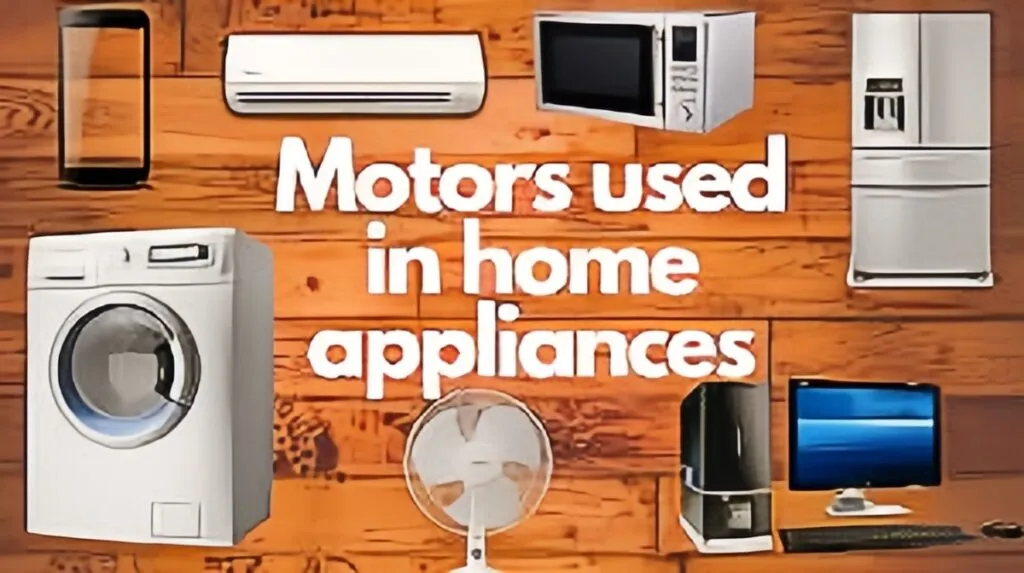
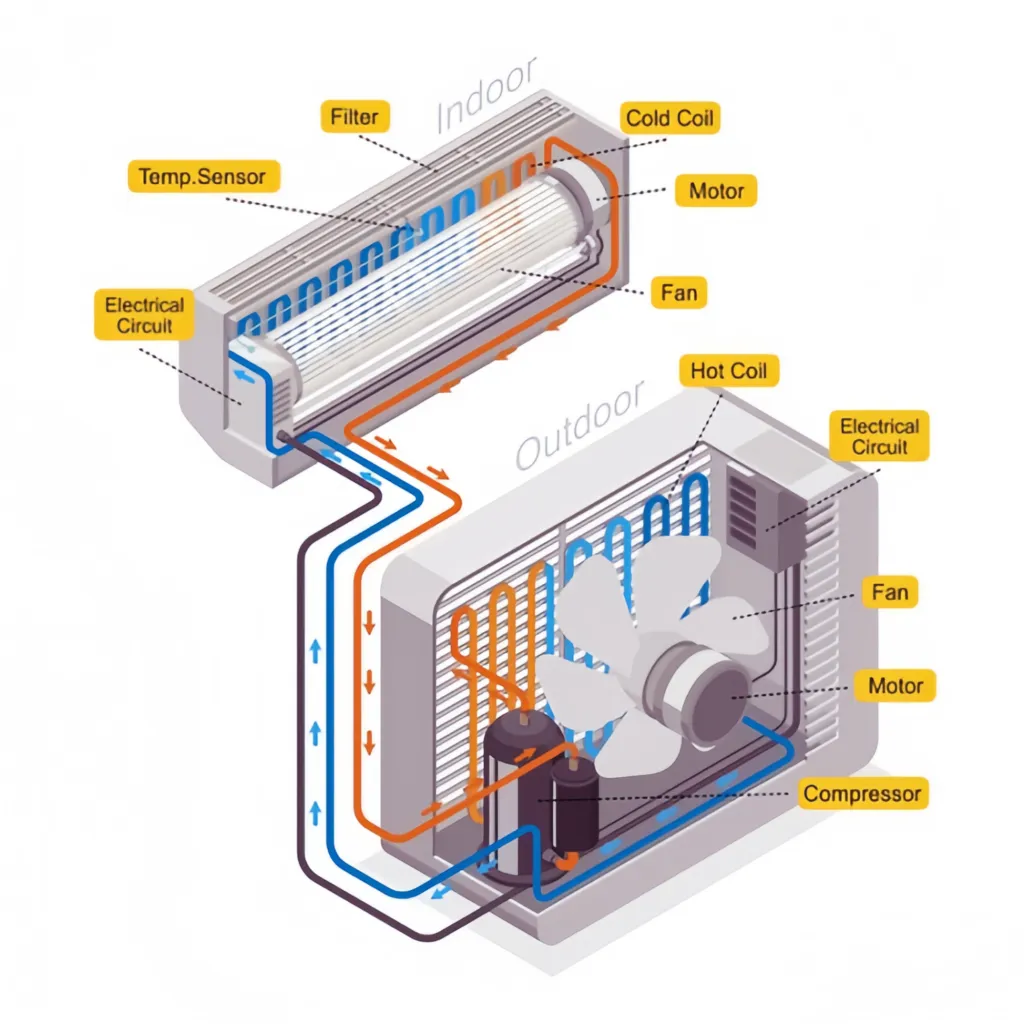
It’s also why many modern HVAC units and purifiers now use BLDC motors for fans and airflow.
Straightforward Integration With Smart-Home Electronics
DC motors pair easily with:
- Wi-Fi or Zigbee relays
- app-based controllers
- Arduino / STM32 / ESP32
- smart-home hubs
Because DC motors don’t require inverters/VFDs, the electronics remain compact and cost-efficient, which is critical for small consumer devices.
Efficient for Battery-Powered Devices
Many portable smart-home products rely on DC motors because they remain efficient at low voltage, including:
- robot vacuums
- pet feeders
- portable purifiers
- compact household gadgets
Battery operation becomes straightforward and reliable.
2. Where DC Motors Are Used in Smart Homes
Below are the most common applications where DC motors provide practical, quiet motion.
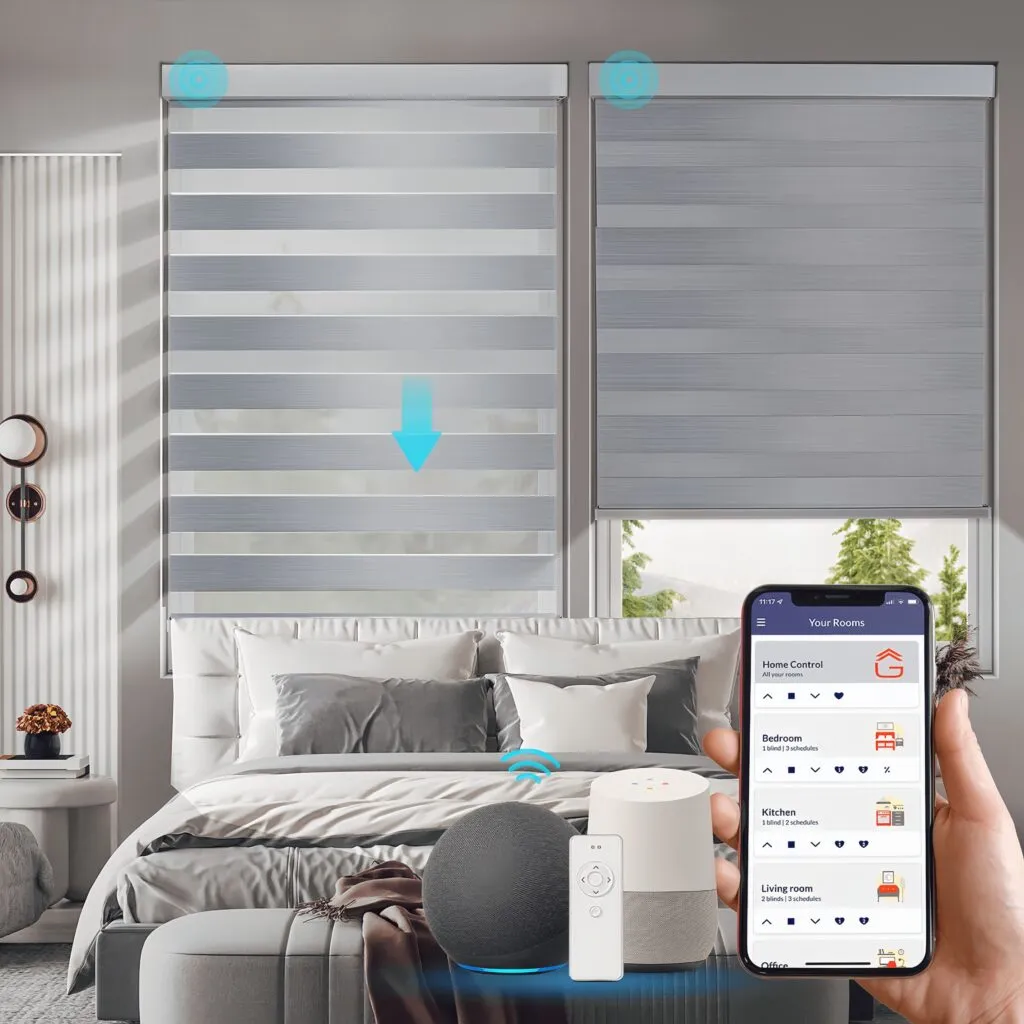
Motorized Blinds and Curtains
DC gear motors enable:
- quiet lifting
- smooth travel
- precise stopping
They integrate well with Google Home, Alexa, and mobile-app control.
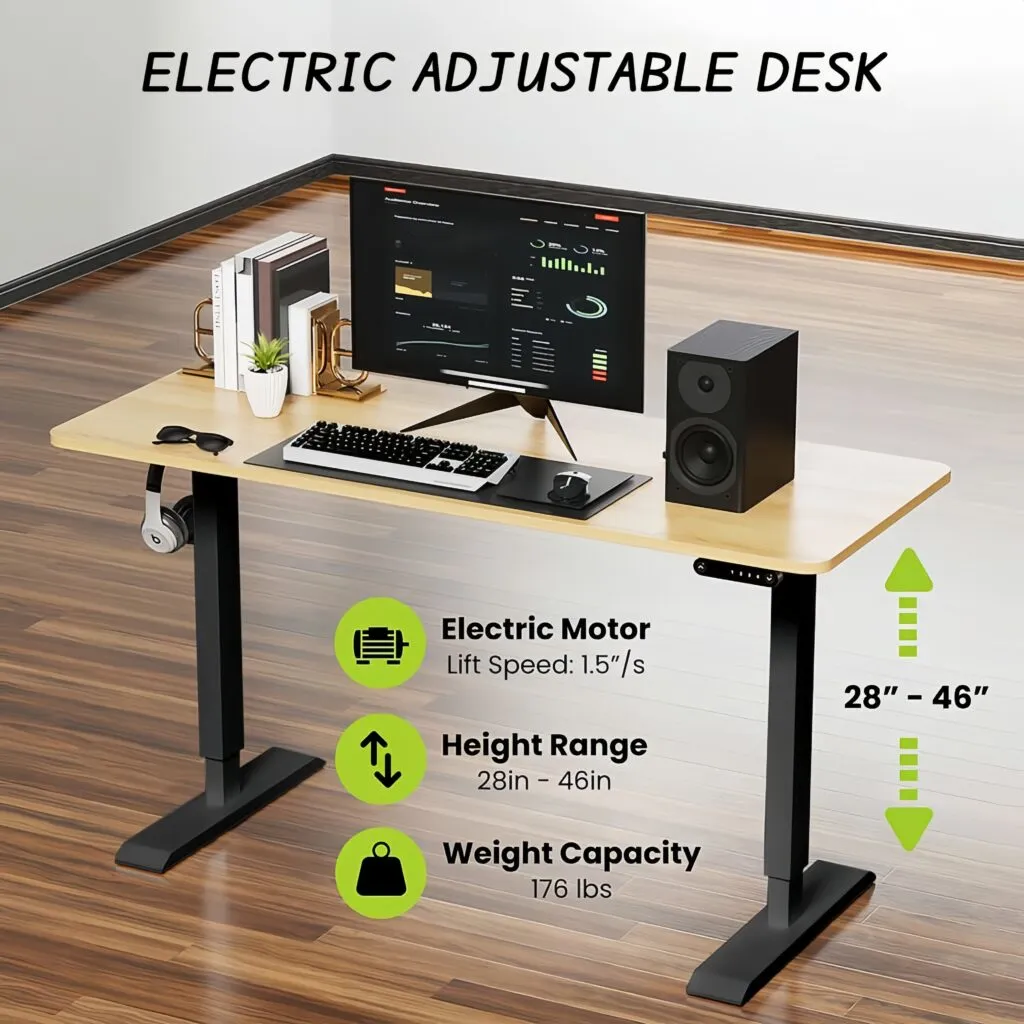
Adjustable Beds, Recliners & Height-Adjustable Desks
DC motors power linear actuators used for:
- ergonomic beds
- home-office desks
- reclining mechanisms
The key requirements here are torque, low noise, and steady movement—all strengths of DC motors.
Pop-Up Kitchen Modules
Compact DC motors can raise and lower:
- hidden power outlets
- storage racks
- countertop lifts
Their small footprint allows easy installation in modern kitchen cabinetry.
Smart Trash Bins & Toilet Lids
Touch-free products depend on DC motors for:
- fast lid movement
- quiet operation
- soft-close control
Smart Pet Feeders
DC gear motors provide:
- consistent rotation
- accurate dosing
- reliable timing for repeated cycles
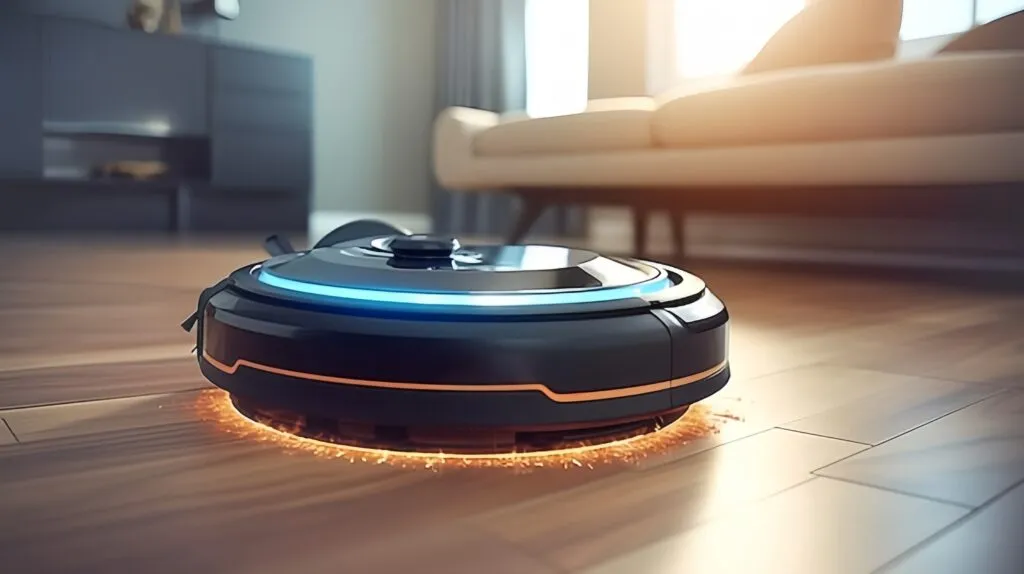
Robot Vacuums & Cleaning Devices
Smart cleaning robots require:
- efficient drive wheels
- high-speed brush motors
- compact fan motors
All of which are best served by small DC motors.
3. DC Motors vs. AC Motors: Which Is Better for Smart Homes?
| Feature | DC Motor | AC Motor |
|---|---|---|
| Voltage | 12–24V (safer) | 110–220V (higher risk) |
| Speed Control | Easy with PWM | Requires VFD/inverter |
| Noise | Low (especially BLDC) | Higher noise/hum |
| Size | Compact | Bulkier |
| Efficiency | High at variable loads | Lower at low speeds |
| System Cost | Lower electronics cost | Higher due to inverter needs |
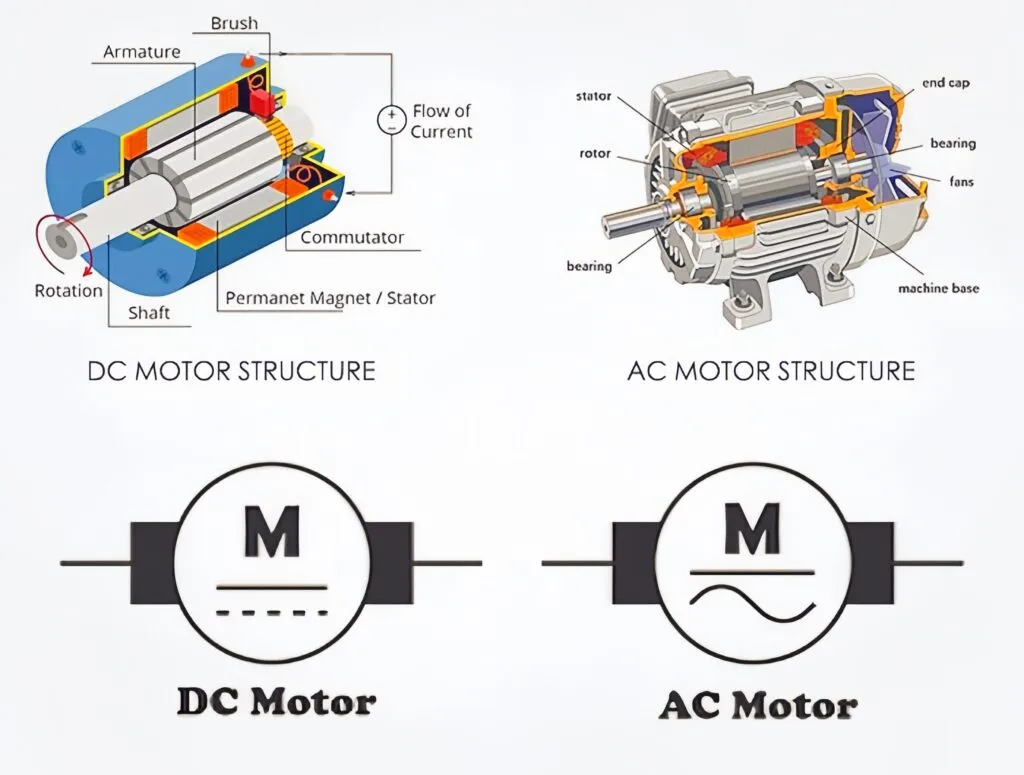
DC vs AC Motor Structure
Conclusion:
For most home-automation applications, DC motors offer a safer, quieter, and more adaptable solution, especially when precise movement and compact packaging matter.
4. How to Choose the Right DC Motor for a Smart-Home Product
Below are the key technical factors engineering teams typically evaluate.
Brushed vs Brush
- BLDC Motors → ideal for blinds, HVAC systems, robot vacuums
(quieter operation, longer lifespan, higher efficiency) - Brushed DC Motors → suitable for small, low-duty mechanisms
(cost-effective, simple control)
Voltage Selection
Most designers standardize on:
- 12V → for compact devices, short-travel motions
- 24V → for higher torque or heavier loads
These match common power adapters and smart relays.
Torque & Speed Requirements
Key variables include:
- lifting force (beds, desks)
- rotational speed (fans, feeding mechanisms)
- gear ratio (for precise movement or slow, strong lifting)
Noise Requirements
For bedrooms and living areas, choose:
- low-dB gearboxes
- BLDC designs
- rubber damping or isolation mounts
Control Method
- PWM → variable speed
- Relay → simple open/close
- Encoder → positional accuracy for blinds and lifts
Space Constraints
Many smart-home devices need:
- slim motor bodies
- worm or right-angle gearboxes
- integrated driver boards
Choosing the right form factor reduces assembly issues and noise propagation.
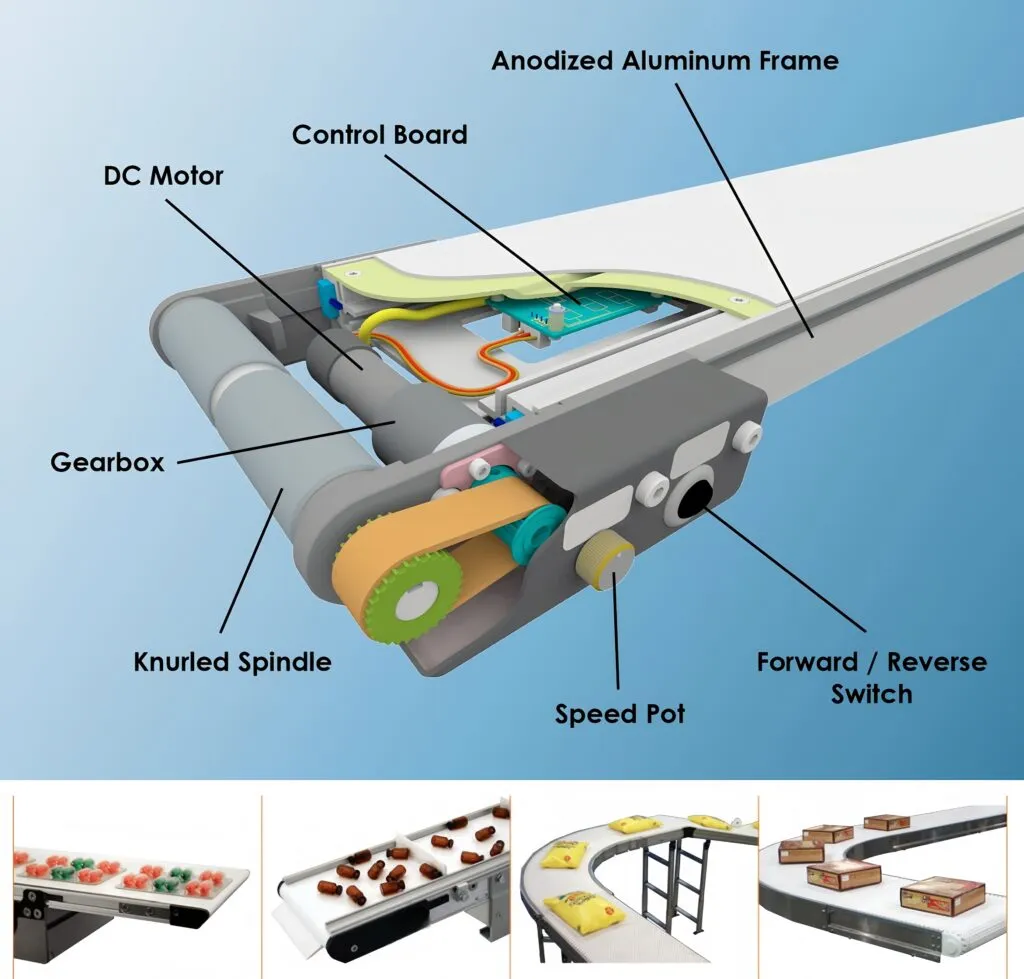
This illustration shows how compact DC motors with integrated gearboxes power conveyor systems in light industrial and smart packaging applications—highlighting their versatility beyond household automation.
FAQs – DC Motors in Smart Home Devices
1. Can DC motors be integrated with Alexa or Google Home?
Yes. Using a smart relay, Wi-Fi module, or controller, DC motors can respond to voice commands for on/off or directional control.
2. Are DC motors safe for use in bathrooms or children’s rooms?
Yes. Most DC motors run on 12–24V, making them safer than high-voltage AC alternatives.
3. Can DC motors operate without wired power?
Yes. Many devices use rechargeable battery packs—such as smart feeders, robot vacuums, and portable actuators.
4. Do DC motors require much maintenance?
BLDC motors have minimal maintenance needs.
Brushed motors may require occasional brush checks based on usage.
5. Why are DC motors used so widely in smart homes?
Because they’re quiet, compact, low voltage, and easy to control—ideal characteristics for automated consumer products.
Ready to Build Smarter?
If you’re developing a smart-home product and need help evaluating torque, duty cycle, noise level, gearbox choice, or motor life expectations, our engineering team can assist.
We support projects involving blinds, compact lifts, smart furniture, feeders, and other home-automation devices.
👉 Talk to our engineers for practical guidance on DC motor selection or customization.
Related Articles:
- 🔗 How to Choose the Right DC Motor for Your Application?
- 🔗 Brushed vs Brushless DC Motors – Key Differences
- 🔗 How DC Motors Work – A Beginner’s Guide
- 🔗 How to Control the Speed of a DC Motor
- 🔗 How Many Types of DC Motors Are There?
- 🔗 DC Motor Maintenance – 10 Essential Tips
Or explore: